©陶陶居藝廊擁有所有照片的版權, 嚴禁盜用
©Tao Tao Art holding the copyright of all photos. Unauthorized use is strictly prohibited.

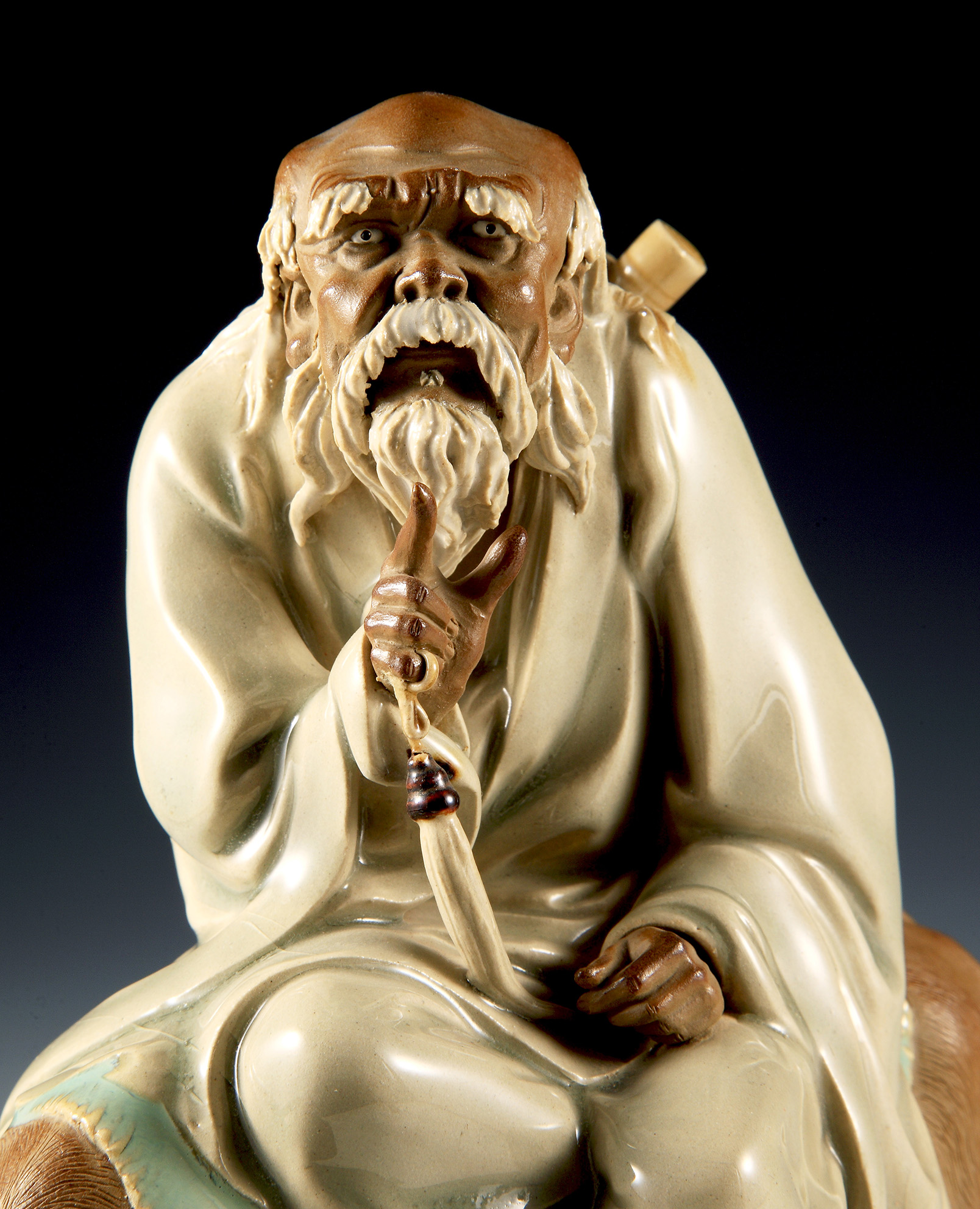
老子出關
九十年代
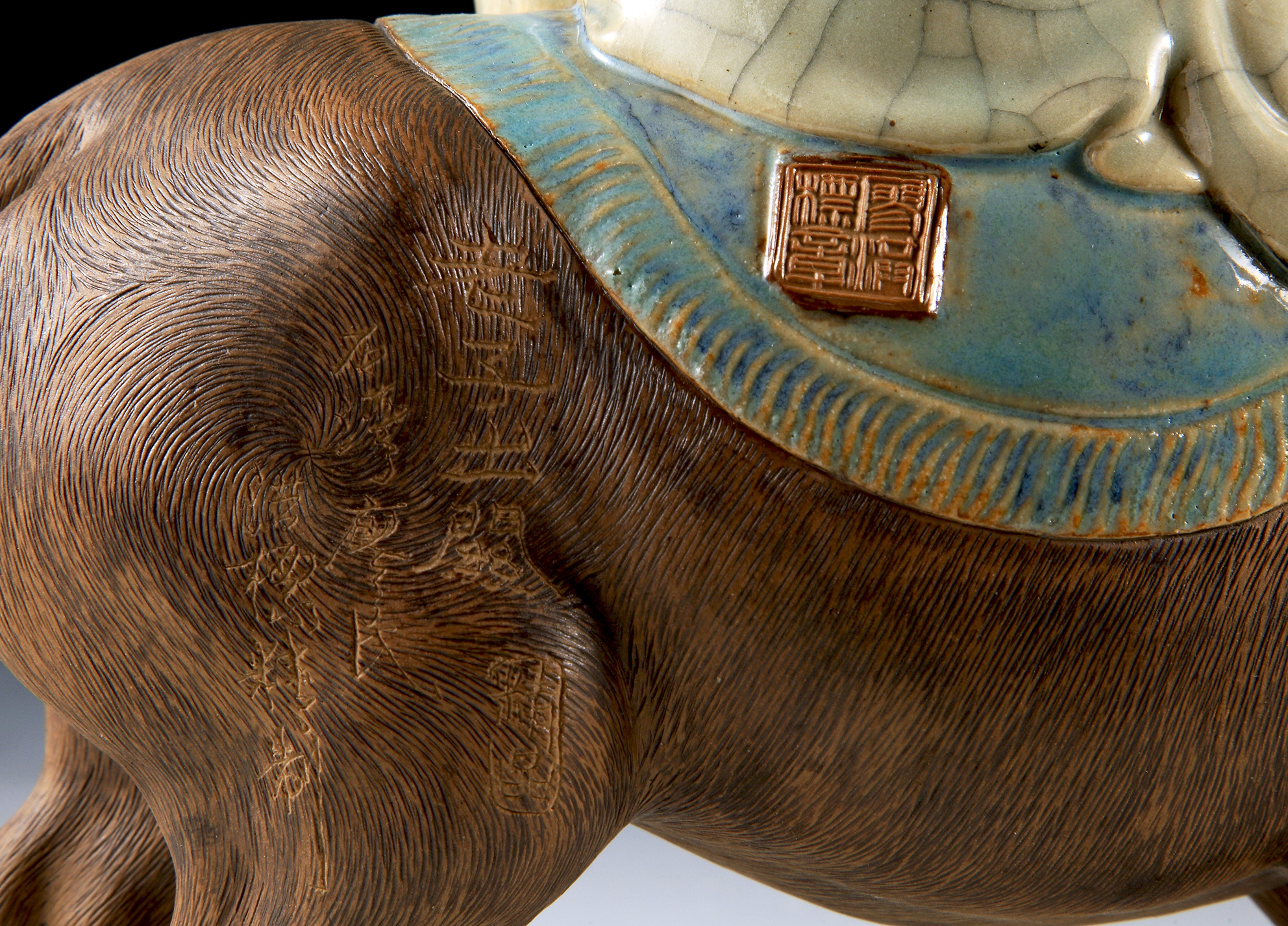
廖洪標精製
27×8×23.5 cm
Laozi leaving the city by Hangu Pass
1990
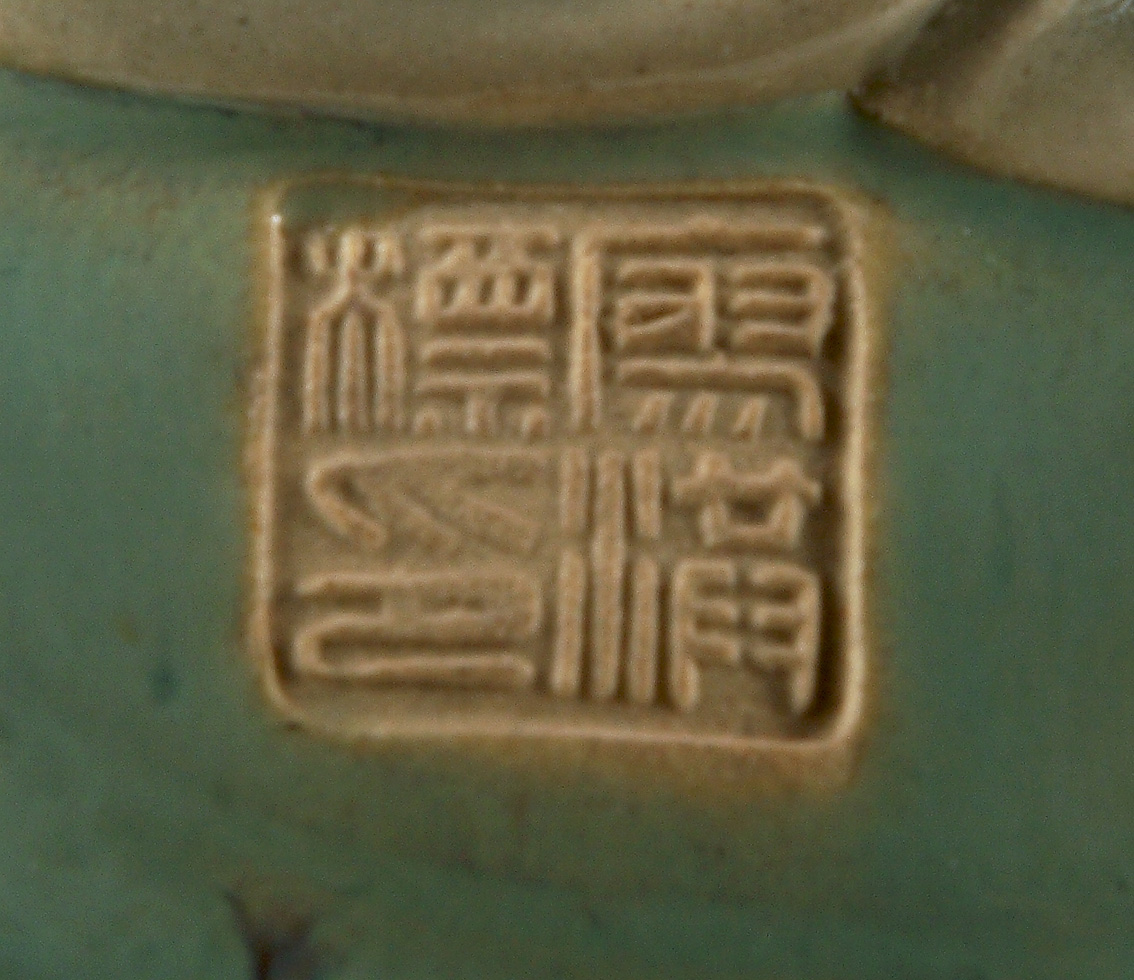
Made with extra care by Liao Hongbiao
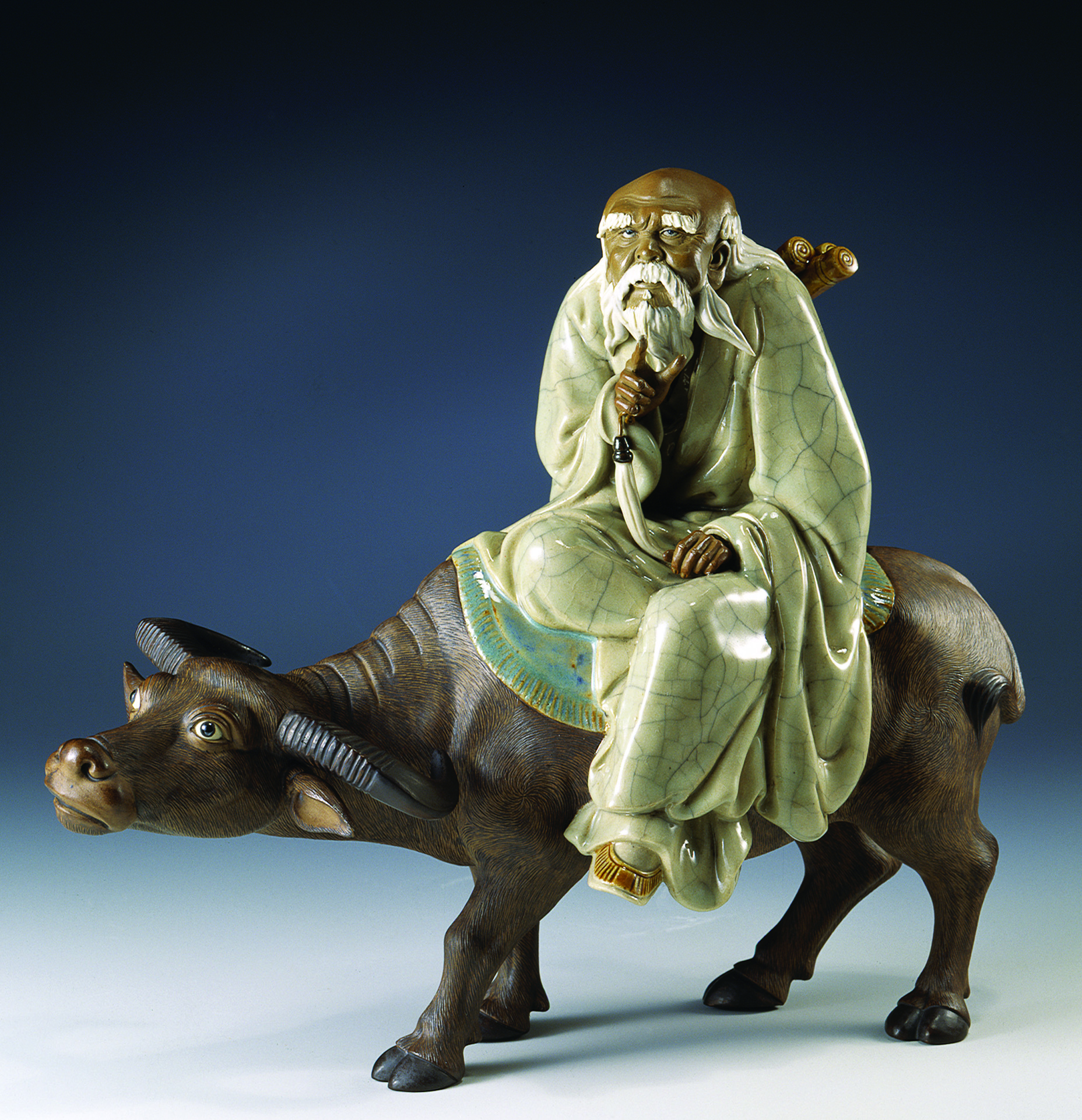

「紫氣東來」即老子出關的故事,相傳老子李耳歸隱,西出函谷關,關令尹喜於前一日見有紫氣自東方飄來,知有聖人來此,整日恭侯,果見老子騎青牛而來,乃殷勤招待,請他講學著書,跟隨老子出關至流沙,並皆仙去。老子是春秋時期楚國的一位大學問家,他所著的《道德經》博大精深,充滿了樸素的哲理。大約在東漢年間,道教徒開始把《道德經》奉為經典,於是老子也被神化為太上老君,又稱道德天尊。相傳著名的教育家孔子也曾問道於老子。老莊所代表的道家思想,與孔子所創立的儒家學派,二千多年來,一直是中華民族的重要精神支柱。
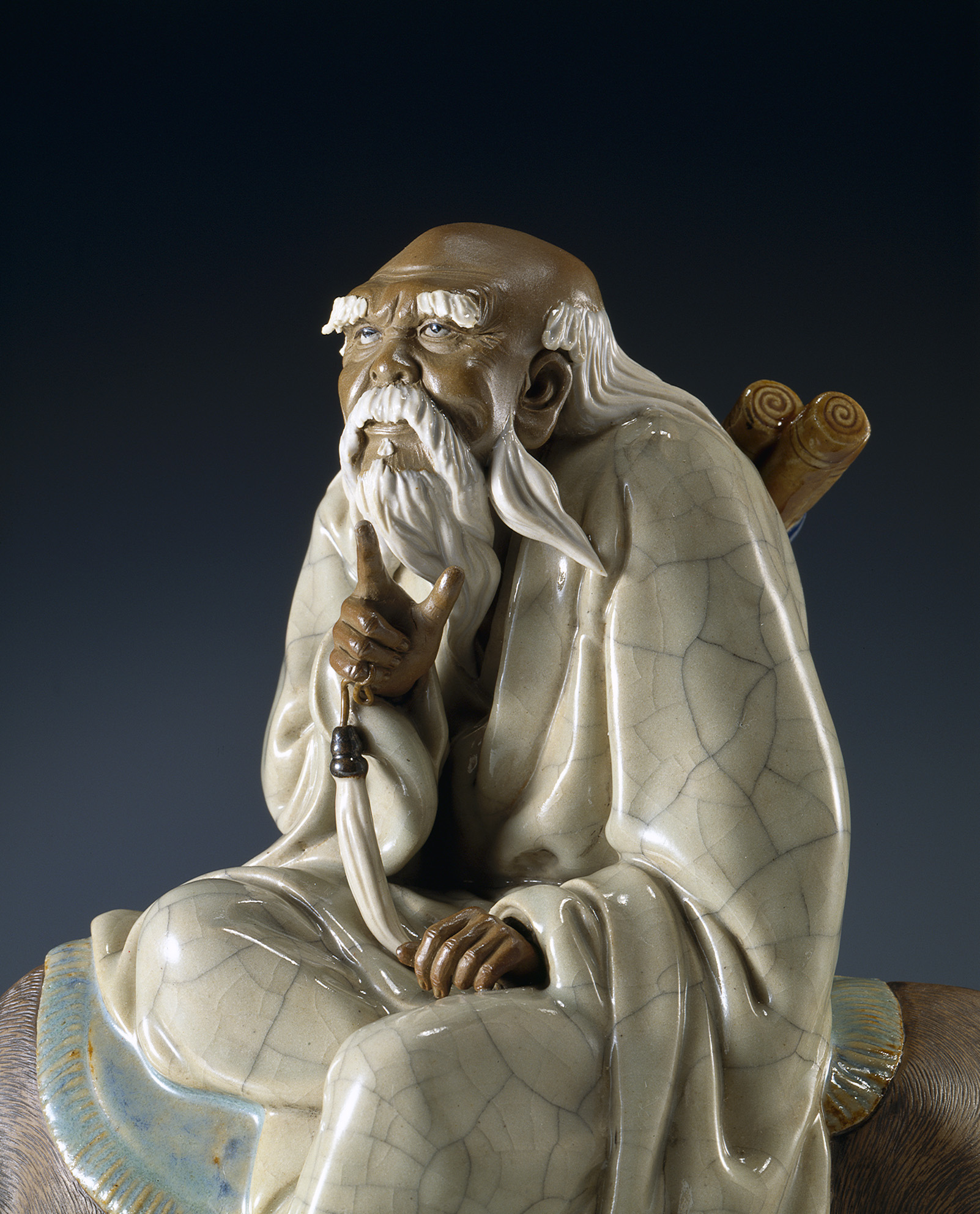
廖洪標取老子出關情節寓意,表達其對老子思想中憩靜自然社會的嚮往,以及「人到無求品自高」的境界追求。老子因周朝衰敗而求自隱,他推崇自然,提倡道德,儉慾存誠,持靜歸根,從大自然中領悟到人生哲理。廖洪標所塑老子是一位大智若愚、大巧若拙、生性隨和的老人,而不是神。寬闊的前額、濃茂的白髮,象徵了他的智慧;銳利的眼珠卻帶著略顯慵懶的神色,表現出他對繁文縟節的不羈;他微帶佝僂,背上斜掛著《道德經》的竹簡;雙手不經意地擺弄著拂塵,右手指一,眼睛凝視天宇,如進入混沌無極境界。
“The purple cloud from the east” refers to the story of Laozi leaving the city by the western pass, Hangu Pass. According to legends, Li Er, also known as Laozi, wanted to live as a hermit. He was going to leave the city by Hangu Pass and then go westward. Yin Xi, the guardian of the western pass, saw a purple cloud coming from the east the day before. It was a sign indicating that a saint would pass by. He had been waiting respectfully all day long. As expected, Laozi, on the back of a green buffalo, was coming to the pass. Yin Xi treated him with great hospitality and asked him to give lectures and to write down his wisdom in books. He even followed Laozi and they left Hangu Pass together. In the end, both of them reached a place called Liusha and became immortals there. Laozi was a great scholar of the state of Chu in the Spring and Autumn Period. He was the author of the Dao De Jing, a work of extensive and profound knowledge and a book full of plain philosophy. In the Eastern Han Dynasty, Daoists started to value the Dao De Jing as their scripture, and Laozi was deified and revered as Taishang Laojun (The Grand Supreme Elder Lord) and Daode Tianjun (The Universal Lord of the Way and Its Virtue). According to legends, even Confucius, the great educationalist, had once consulted Laozi about the Way. Daoist ideas preached by Laozi and Zhuangzi and the school Confucianism developed by Confucius have been two important spiritual pillars supporting the Chinese nationality for over two thousand years.
Liao Hongbaio depicts the episode of Laozi leaving the city by Hangu Pass as an allegory of Laozi’s aspiration for the life in a natural society – this is an important issue in Laozi’s thoughts – and of his pursuit of the state of “a person becoming noble when he has no more desire”. Frustrated with the downfall of the Zhou Dynasty, Laozi was determined to live as a hermit. He highly valued nature and called for living with the Way and its Virtue, regulating desires, being sincere, embracing calmness and cherishing one’s roots. Laozi believed that by doing the above one could be enlightened with the philosophy of life, and that nature was the ideal place where he could obtain enlightenment. Liao Hongbiao does not depict Laozi as a deity. He presents Laozi as an amiable elderly and a very wise man who appears slow-witted. Laozi’s broad forehead and thick white hair signify his great wisdom; two sharp eyes and a mild sense of indolence are put together to indicate that he loves to shrug off unnecessary formalities; slightly stooping, he hangs the bamboo slips of the Dao De Jing obliquely on his back; he waves his horsetail whisk carelessly with both hands, with a finger of his right hand pointing to signify “one”; his eyes stare at the sky and it seems that he has entered the realm of primordial universe.
 HOME
HOME